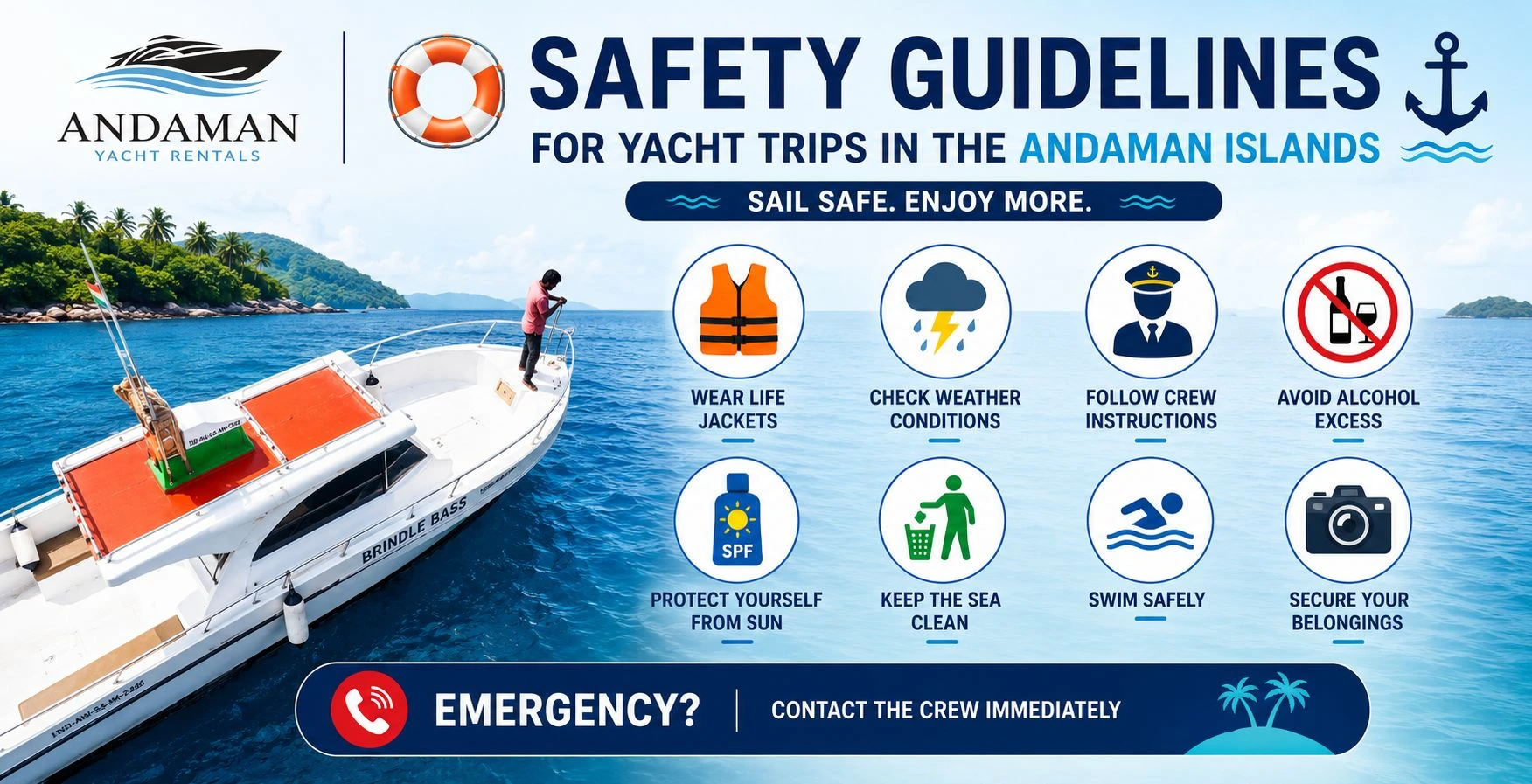
India has one of the most spectacular tropical destinations in the Andaman Islands, which are known to attract travelers due to the turquoise waters, coral reefs, and picturesque landscapes of the islands. Cruises in private yachts are also becoming more popular among tourists as they seek to explore the Andaman Sea comfortably and stylishly. It could be a sweet sunset ride, an island-hopping adventure, a fishing voyage or a special celebration, but nothing is above a yacht charter as it has left an unforgettable impression. Nevertheless, as the travel of the yacht occurs in open waters, the safety of the travel should be the priority.
Attention to rules of safety, appropriate preparation of the trip and collaboration with the team can make every voyage enjoyable and safe. The professional yacht operators in the Andaman Islands are very strict on safety, but passengers are also expected to know the safety rules that would guarantee a hassle-free voyage. This guide outlines the safest rules that should be followed when taking a yacht trip in the Andaman Islands in terms of pre-trip arrangements, safety rules onboard, equipment, weather safety, and responsible tourism.
Why Safety is Important During Yacht Trips
Yacht trips are in waters that may be either coastal or offshore, and under which weather conditions may alter rapidly. The safety protocols can assist in the safety of the passengers, crews, and marine life. By adhering to the most adequate safety measures, the travelers are able to have a pleasant experience without significant risks.
Key Reasons Safety is Important
- Open sea conditions can change rapidly
- Weather patterns may affect navigation
- Certain areas may have strong currents
- Remote islands require proper preparation
- Marine wildlife and coral reefs must be respected
Essential Safety Checks Before a Yacht Trip
Safety step | Description |
Weather Check | Confirm sea and weather conditions |
Equipment Inspection | Ensure safety equipment is onboard |
Passenger Briefing | Crew explains safety procedures |
Route Planning | Confirm destination and navigation plan |
Passenger Registration | Provide identification details |
Choosing a Licensed Yacht Operator
One of the most critical aspects of the safety of the yacht trip in the Andaman Islands, when organizing it, is the process of choosing a charter company that has a reliable reputation and is licensed. A certified and qualified operator is a person who makes sure that the yacht meets the requirements of maritime safety, that it is regularly checked, and that the person who manages the vessel is a trained crew member who has the knowledge about navigation and emergency measures. The local maritime authorities have established guidelines that licensed yacht operators must adhere to, such as safety equipment in the vessel, observing the weather conditions, and ensuring that alcohol capacity limits are met.
Not only does selecting a reputable operator make the experience safer, but it also gives Illegal Pete a better experience by offering quality service and well-kept ships as well as well-informed crew members. Before booking, the traveler must always ensure he/she research the charter company. The reviews of the readings, certifications and verification of the operating licenses of the company could be helpful in ensuring the safety and professional conduct of the yacht trip. An operator who can be trusted will also give adequate communication regarding routes, safety protocols and trip information before departure.
What to Check Before Booking:
- Licensed yacht operator
- Experienced captain and trained crew
- Safety certifications and maritime approvals
- Regular vessel inspection and maintenance
- Verified customer reviews and testimonials
- Availability of safety equipment onboard
- Clear pricing and booking policies
- Emergency communication systems on the yacht
- Proper passenger capacity limits followed
- Positive reputation within the local tourism industry
Onboard Safety Equipment on Yachts
Equipment | Purpose |
Life Jackets | Protect passengers in emergencies |
Life Buoys | Rescue equipment in water emergencies |
GPS Navigation System | Accurate route tracking |
VHF Radio | Communication with coastal authorities |
Fire Extinguishers | Fire safety onboard |
First Aid Kits | Medical emergencies |
Safety Briefing Before Departure
Before the yacht leaves the marina, the captain or the boat room crew will have conducted a briefing on the safety of the passengers before the yacht leaves. This orientation is one of the important aspects in any yacht adventure because it will ensure the tourists understand how to be safe on the vessel. The crew will be able to explain the key routines of the safety, demonstrate the functioning of the safety equipment, and inform the passengers about the key rules of the trip.
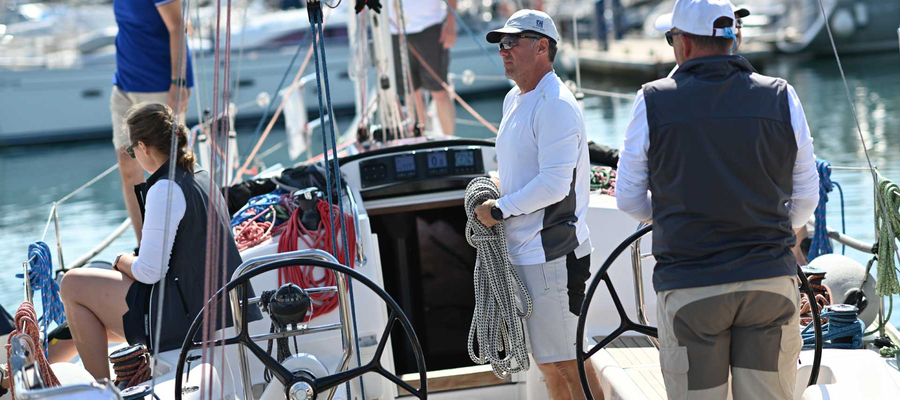
Listening to the safety briefing will see to it that everybody on board is informed of what to do in case of an emergency, and where to steer the yacht without mishap. These instructions must also be followed by even well-travelled people because each ship might have somewhat different safety measures and places of equipment.
- Important Topics Covered in the Safety Briefing
- Location of life jackets and how to wear them properly
- Emergency procedures in case of unexpected situations
- Safe movement on the yacht deck
- Use of onboard facilities such as cabins and restrooms
- Behavior during rough sea conditions
- Location of life buoys and other emergency equipment
- Instructions for boarding and disembarking safely
- Guidelines for water activities like swimming or snorkeling
- Emergency communication methods used by the crew
- Importance of following the captain and crew instructions at all times
Best Weather Conditions for Yacht Trips
Season | Conditions |
October – February | Pleasant weather |
March – May | Warm but calm seas |
June – September | Monsoon season |
Personal Safety Tips for Passengers
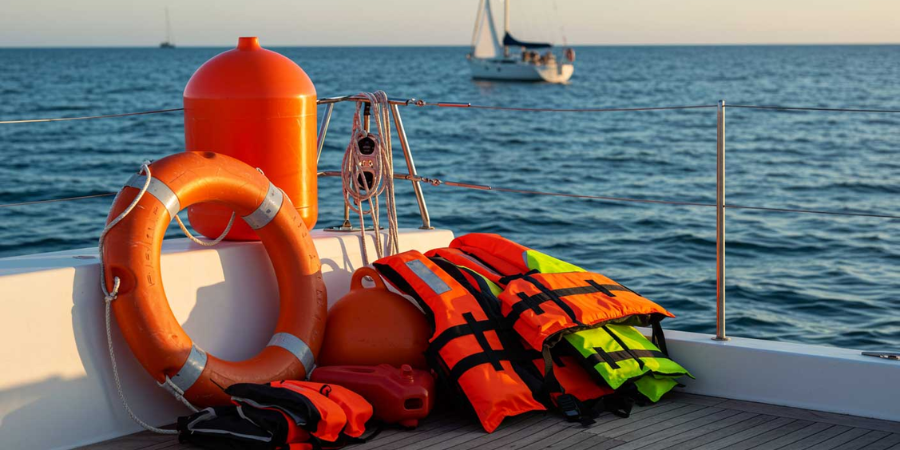
The safety of passengers is significant in any yacht voyage in the Andaman Islands. Although the captain and the crew are the ones taking care of navigation and technical operations, passengers are also expected to engage in basic safety measures aimed at making the journey pleasant and painless. Paying attention to the environment, acting according to the instructions of the crew, or moving safely on the yacht can contribute to avoiding accidents during the journey.
- Wear life jackets when required
- Follow instructions from the captain and crew
- Avoid standing on unstable areas of the yacht
- Keep personal belongings secure
- Stay hydrated and protected from the sun
- Wear non-slip footwear for better grip on deck
- Avoid running or sudden movements on the yacht
- Hold railings when moving around the deck
- Inform the crew about any medical conditions or motion sickness
- Remain seated during rough sea conditions
Safety Tips for Water Activities
Several yacht tours comprise snorkeling, swimming and fishing activities. These activities are fun, but they must be properly supervised and within the safety precincts. They can be safe and fun by following the instructions of the crew and wearing the necessary safety equipment.
- Always wear life jackets or flotation devices
- Follow crew instructions carefully
- Do not swim alone in deep waters
- Use proper snorkeling equipment
- Stay within designated activity areas
- Avoid touching coral reefs or marine animals
- Enter and exit the water carefully using the ladder
- Stay close to the yacht or designated safe zone
- Inform the crew before entering the water
- Avoid swimming in strong currents or rough conditions
Navigation Safety on Yacht Trips

The captain and the crew have the role of ensuring safe navigation, but the passengers should be made to understand the relevance of basic navigation habits to ensure that their safety is upheld at all times. Modern navigation technology is deployed by professional operators, and yachts are guided on acceptable sea routes to reach their destinations safely on the Andaman Sea.
- Use GPS navigation systems for accurate positioning
- Monitor sea conditions continuously
- Follow approved maritime routes
- Maintain communication with coastal authorities
- Track weather updates during the journey
- Use marine charts for route planning
- Avoid restricted or protected areas without permits
- Maintain safe cruising speeds in busy waters
- Ensure proper lookout for other vessels
- Follow harbor and maritime safety regulations
Emergency Preparedness on Yachts
Emergency Situation | Action |
Passenger overboard | Immediate rescue response |
Fire onboard | Use fire extinguishers |
Medical emergency | First aid and communication |
Equipment failure | Contact the marine authorities |
Safe Behavior on Yacht Decks
It is interesting to note that safe conduct on the deck of the yachts is to be followed, especially on the trip, in order to prevent accidental falls, slips or any other accidents. Since the yacht decks can get wet due to the sea spray or water sports, individuals have to be cautious and observe their surroundings. There are basic safety precautions that can be adhered to ensure that the experience aboard becomes comfortable and safe for everyone.
- Wear non-slip footwear Avoid running on deck
- Hold railings when moving
- Keep pathways clear of bags or equipment
- Move slowly when the yacht is in motion
- Avoid standing near the edge of the deck unnecessarily
- Follow crew instructions when moving around the yacht
- Remain seated during rough sea conditions
- Avoid climbing or leaning over railings
- Be cautious when taking photos near the deck edges
Protecting Marine Life and Coral Reefs
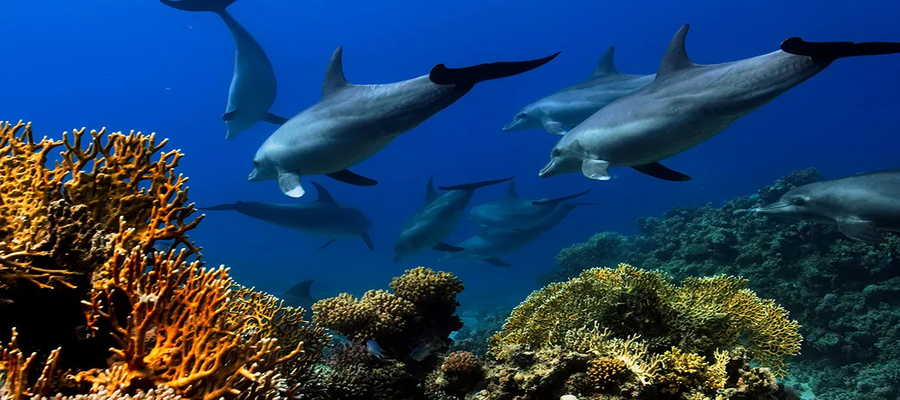
One can find some of the best marine ecosystems and coral reefs in India on the Andaman Islands. To be able to preserve this fragile sea ecosystem, we need responsible tourism. The eco-friendly conduct that the travelers in the yachts should practice should ensure that the sea creatures and the coral reefs are not disturbed.
- Avoid touching coral reefs
- Do not litter in the ocean
- Respect marine wildlife
- Use reef-safe sunscreen
- Avoid feeding fish or marine animals
- Do not collect shells or coral fragments
- Maintain a safe distance from marine animals
- Dispose of waste properly after returning to shore
- Follow marine park guidelines and regulations
- Support sustainable and eco-friendly tourism practices
Safe Island Visits During Yacht Trips
The Andaman Islands are known to have island hopping as part of the yacht trips. Most of these islands are secluded and also sensitive to the environment, and tourists visiting them ought to adhere to safety measures when touring them. It is safe to remain in secure locations and observe the natural environment to have a safe and enjoyable time.
Island Safety Tips:
- Follow crew instructions during landing
- Stay within designated areas
- Avoid disturbing wildlife
- Carry water and essentials
- Wear comfortable footwear for walking on beaches
- Be cautious of uneven rocks or coral fragments
- Avoid entering restricted or protected zones
- Return to the yacht at the scheduled time
- Keep the beach and surroundings clean
- Inform the crew if you plan to explore further areas
Communication and Emergency Contacts
Tool | Purpose |
VHF Radio | Communication with coastal authorities |
Satellite Phone | Backup communication offshore |
GPS System | Navigation and tracking |
Things to Pack for a Safe Yacht Trip
- Sunscreen lotion
- Sunglasses
- Hat or cap
- Comfortable clothing
- Waterproof phone pouch
- Personal medications
- Lightweight towel or quick-dry towel
- Non-slip footwear or sandals
- Reusable water bottle
- Power bank for charging devices
- Small backpack for personal belongings
- Motion sickness tablets if needed

Tips for First-Time Yacht Travelers
- Choose shorter trips initially
- Inform the crew if you feel seasick
- Stay seated during rough conditions
- Keep balance while walking on the deck
- Listen carefully to the safety briefing
- Stay hydrated during the trip
- Wear comfortable and lightweight clothing
- Use sunscreen to avoid sunburn
- Keep your belongings secured during cruising
- Follow all instructions from the captain and crew
Benefits of Following Yacht Safety Guidelines
- Reduced risk of accidents Comfortable and stress-free trip
- Protection of marine ecosystems
- Better coordination with crew
- Safe participation in water activities
- Smooth and organized yacht experience
- Increased confidence during offshore travel
- Protection for passengers and crew members
- Responsible and sustainable tourism practices
- Enjoyable and memorable yacht journey
Enjoy Safe and Memorable Yacht Trips in Andaman
The Andaman Islands have yacht tours, which are a perfect means of sightseeing the Andaman Sea by providing tourists with a luxurious and thrilling adventure. Island hopping and sunset tours, snorkeling, and fishing are only a few of the many memorable trips. However, security must never be jeopardized whenever one is sailing on the sea. By choosing a certified yacht operator, following the commands of the crews, putting on safety gear, and keeping weather conditions in check, the passengers would be safe and even enjoy the journey of traveling.
The knowledge of the safety information will allow the travelers to enjoy the gorgeous sceneries, coral reefs and the tropical waters of the Andaman Islands without doubts. Taking the right precautions, a yacht trip can be as great an adventure as well as a safe and responsible way to journey through one of the most beautiful marine areas in India. Knowing simple safety measures and being ready is also an opportunity to help the traveler relax and enjoy his/her time in the water completely. Yacht tour [with appropriate precautions] will be exciting and comfortable as it will be a great combination of adventure, relaxation, and sustainable sea travel.
Categories
- Travel Guide 13
- Things to Do 5
- Admin Team 4


Frequently Asked Questions
Yes, swimming ability does not replace onboard safety rules. Crew instructions apply to all passengers because sea movement changes quickly near islands. Wearing safety gear and staying within marked activity areas reduces risk during snorkeling or swimming stops. Even confident swimmers follow timing instructions before entering the water.
Keep personal items inside a small backpack placed in the cabin area or near your seating section. Avoid leaving loose items on open deck spaces because sudden movement can shift them. Waterproof covers protect phones and wallets from sea spray during offshore travel between islands.
Each yacht has different equipment positions and movement pathways. Safety briefings explain where emergency items are stored and how passengers move safely on board. Listening carefully reduces confusion if weather conditions change during travel between islands or while stopping near reef zones.
No, passengers must avoid standing near edges or unstable walking areas while the yacht moves across open water sections. Deck surfaces sometimes remain wet due to sea spray. Remaining seated or holding railings during movement reduces slipping risk during route changes between islands.
Walk slowly and hold railings while changing your position on the deck. Avoid sudden movement between seating sections during faster travel periods. Stay seated if the captain announces stronger sea movement. Controlled movement helps prevent imbalance during wave crossing sections.
Yes, informing the crew early helps them suggest stable seating positions inside the yacht. They may adjust activity timing if required during offshore travel sections. Early communication reduces discomfort during longer crossings between island destinations.
Inform the crew immediately instead of trying to reach over the railing. Leaning outside deck boundaries increases fall risk during movement. Crew members handle recovery decisions depending on location, water depth, and surrounding marine conditions near the stop area.
Yes, each yacht follows a fixed passenger capacity based on maritime safety approval. Passenger limits protect movement space on deck and inside cabin sections. Following these limits improves safe boarding and safe movement during island travel routes.
Marked activity areas remain selected based on safe depth and current movement conditions. Moving outside those areas increases exposure to reef edges and uneven sea floors. Staying within the defined zone keeps passengers visible to crew members during water activity sessions.
Harbour authorities and yacht crews review sea conditions before departure approval each day. They monitor wind direction, tide movement, and route clearance conditions. Departure timing changes if offshore safety limits exceed approved navigation conditions for the planned island route.
No, passengers must stay within permitted walking zones during island visits. Restricted sections protect coral fragments and wildlife habitats near landing beaches. Following crew timing ensures a safe return before the yacht departure schedule resumes.
Coral surfaces remain fragile and sharp under shallow water sections. Physical contact damages reef structures and can cause skin injury. Maintaining distance protects marine habitat conditions and reduces personal injury risk during snorkeling stops near reef areas.
Yes, passengers may take photos near railings when they maintain a stable footing and avoid leaning outward. Holding support rails improves balance during movement. Avoid photography near edges during faster travel sections across open sea routes.
Wait for crew instructions before using the ladder entry point. Enter slowly while holding both side supports. Confirm that the activity area remains open for swimming before stepping down. Controlled entry reduces slipping risk near ladder sections.
Yes, direct sunlight remains strong during offshore movement between island routes. Wearing caps and sunglasses protects eyes and skin during open deck seating time. Drinking water regularly prevents dehydration during longer travel hours on exposed deck sections.
Return timing helps maintain navigation clearance windows between islands. Tide movement affects landing access near shallow beach zones. Following the scheduled return timing supports safe departure planning for the next travel section of the route.
Yes, yachts carry marine communication equipment used for contact with coastal authorities during navigation. These systems support route coordination and emergency reporting if required. Communication equipment remains active throughout the offshore travel period between islands.
Remain seated and avoid standing near railings while vessels cross nearby navigation paths. Passing boats sometimes create wave movement that affects balance on deck surfaces. Staying steady during crossing moments reduces the risk of slipping.
Passenger verification supports marine safety tracking before movement begins. Authorities maintain records for offshore travel routes between islands. Identity confirmation ensures the correct passenger count before leaving the harbour area.
No, barefoot walking increases the risk of injury on wet deck surfaces during sea-spray conditions. Wearing grip footwear improves balance while moving between seating sections. Foot protection also reduces injury risk near ladder and entry areas.